

In winter
Understanding the Impact of Dry Seasons on Wigs
The dry environment can lead to static, causing your wig to frizz or become unmanageable.
Moving between the cold outdoors and heated indoors can stress the wig fibers.
Right Products
Daily Maintenance
Always use a wide-tooth comb or a specialized wig brush. Start from the tips and work your way up to the roots to prevent breakage.
- Moisturizing Shampoo and Conditioner: Always opt for sulfate-free shampoos and conditioners specifically designed for wigs. These products are gentler and add moisture without causing buildup.
- Leave-in Conditioners: These are a boon for wigs. They provide an extra layer of moisture, protect the wig from environmental damage, and make the wig easier to detangle.
- Frequency: Treat your wig to a deep conditioning session at least once a month, or more often if it feels particularly dry.
- Procedure: After washing the wig, apply a generous amount of deep conditioner. Let it sit for 20-30 minutes under a shower cap or plastic bag. For added penetration, you can warm the wig gently using a hairdryer on a low setting. Rinse thoroughly afterward.

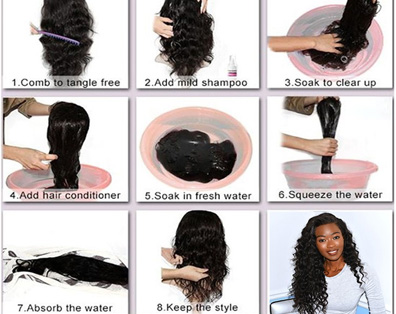
Treatments
Daily Maintenance
- Daily Moisture: Wig-specific hydrating sprays can be used daily or whenever your wig feels dry. They provide a quick moisture boost without weighing the wig down.
- DIY Sprays: Mix distilled water with a few drops of essential oils like lavender or rosemary. Spritz this mixture on your wig for a quick refresh and added moisture.
- Natural Drying: Whenever possible, allow your wig to air dry after washing. This prevents the wig from losing moisture due to the heat.
- Heat Protectants: If you must use heat tools, always apply a heat protectant spray. This creates a barrier, reducing moisture loss from the wig.
For wigs that are extremely dry:
- Oil Treatments: Natural oils like coconut, argan, or jojoba can be applied to the wig. Wrap the wig in a silk or satin scarf and leave it overnight. Wash it the next day to remove the oil.